
Spring Home Maintenance: Find Local Contractors for Termite Inspection
Spring is an ideal time for property owners to connect with local contractors for thorough termite inspections that help protect and preserve their homes.
Spring is a popular season for property owners to consider termite inspections as part of their seasonal maintenance and home care routines. With the warmer weather and increased outdoor activity, it’s an ideal time to assess the health of a property’s structure and identify any early signs of pest activity. Spring often prompts homeowners to prepare for the upcoming months of increased yard work and home improvement projects, making it a convenient moment to incorporate a thorough termite inspection into their seasonal planning. Addressing potential issues early in the season can help prevent more extensive damage later on, ensuring that properties remain safe and well-maintained throughout the year.
A typical termite inspection service involves a comprehensive assessment of a property’s foundation, crawl spaces, and other vulnerable areas where termites are known to thrive. Service providers usually look for signs of termite activity, such as mud tubes, damaged wood, or discarded wings, and evaluate conditions that could attract these pests. The inspection process often includes a visual examination of accessible areas and may involve the use of specialized tools to detect hidden infestations. The goal is to identify any current problems and assess the risk of future issues, allowing property owners to make informed decisions about treatment or preventative measures.
When comparing local service providers for termite inspections, property owners should consider factors such as experience, reputation, and the scope of services offered. It’s helpful to review the credentials and backgrounds of different contractors to ensure they have the expertise needed to perform thorough inspections. Additionally, seeking out providers with positive feedback and a history of reliable service can provide added confidence. Comparing the range of inspection options available-such as detailed reports, follow-up treatments, or preventative recommendations-can help property owners select the best local contractors suited to their specific needs. This approach ensures that the property is well-protected against termites and that the chosen service fits within their overall home maintenance plan.
Compare local contractors' expertise and experience to find the best fit for your spring termite inspection needs.
- Professional Termite Inspection - Local service providers can identify signs of termite activity to prevent extensive damage.
- Seasonal Planning - Spring is an ideal time to schedule inspections before active termite season begins.
- Preventive Measures - Experienced contractors can recommend treatments to protect properties from future infestations.
- Comprehensive Assessments - Local experts offer thorough inspections to evaluate the extent of any termite issues.

Before comparing options, clearly describe your termite inspection project to connect with the right local contractors for spring home refreshes.
- Inspect for signs of termite activity - look for mud tubes, damaged wood, or discarded wings around the property.
- Check wooden structures and foundations - examine for hollow or damaged wood that may indicate infestation.
- Look for cracks and crevices in exterior walls - these can serve as entry points for termites.
- Assess moisture levels around the property - high moisture areas attract termites and can facilitate their entry.
- Evaluate wood mulch and landscaping materials - ensure they are kept away from the foundation to reduce attraction.
- Hire local contractors for comprehensive inspections - experienced service providers can identify hidden signs of termite presence.
Use this to explore how local contractors can assist with termite inspections during spring planning.


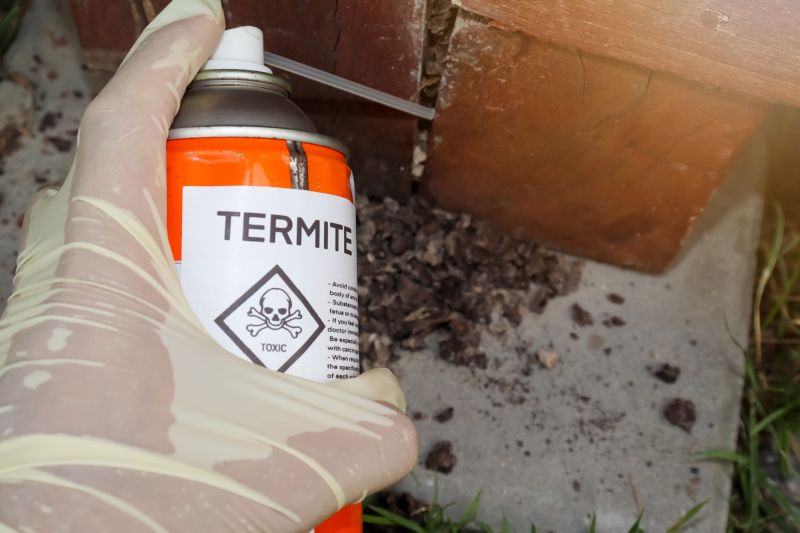
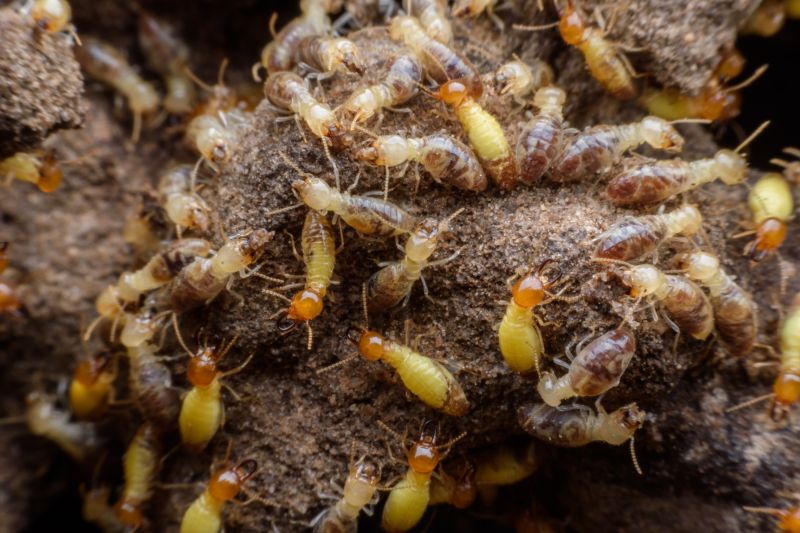
Compare local contractors' expertise and experience to find the best fit for your spring termite inspection needs.
- Termite Inspection - Spring is an ideal time to schedule a thorough termite inspection as pests become more active with warmer weather. Local contractors can identify early signs of infestation to prevent extensive damage. Routine inspections can be integrated into spring home maintenance plans to ensure property protection. Experienced service providers can advise on preventative measures to reduce the risk of future termite problems. Connecting with local pros ensures a comprehensive assessment tailored to the specific needs of springtime pest activity.
Compare termite inspection services from trusted local contractors to ensure consistent quality and thorough evaluations this spring.
- Inspection Area - Identify all areas around the property where termites may be present, including foundations, wood structures, and soil contact points.
- Signs of Infestation - Look for visible indicators such as mud tubes, damaged wood, or discarded wings that suggest termite activity.
- Environmental Conditions - Assess the property's environment for factors like moisture, wood debris, and soil conditions that could attract termites.
- Structural Vulnerabilities - Determine any structural weaknesses or entry points that could facilitate termite intrusion or spread.
- Inspection Documentation - Ensure service providers provide detailed reports outlining findings, areas checked, and recommended next steps.
When comparing local contractors for termite inspection during the spring season, it is important to consider their experience with similar projects. Homeowners should look for service providers who have a proven track record of performing thorough inspections in residential settings, especially during the spring when termite activity tends to increase. A contractor’s familiarity with common springtime issues and local termite behaviors can help ensure a comprehensive assessment of the property’s vulnerability.
Clear communication about the scope of work is essential when evaluating options. Homeowners should seek service providers who can articulate what their inspection includes, such as the areas examined, the methods used, and any follow-up recommendations. A well-defined scope helps set expectations and provides clarity on what will be addressed, reducing the likelihood of surprises or overlooked concerns during the inspection process.
Work planning considerations are also vital in selecting a service provider. Homeowners should inquire about how the inspection will be scheduled, the duration of the process, and any preparations needed before the visit. Understanding how the contractor plans their work ensures that the inspection can be integrated smoothly into springtime home maintenance routines and that the process is efficient and minimally disruptive.
Finally, evaluating options involves assessing the professionalism and communication style of potential service providers. Homeowners are encouraged to review the clarity of their explanations, the thoroughness of their approach, and their responsiveness to questions. Comparing these qualities can help identify local contractors who are well-equipped to deliver reliable and detailed termite inspections, supporting informed decisions during the spring season when proactive home care is often prioritized.
Request written clarification from local contractors to ensure the termite inspection scope aligns with your spring renovation plans.
- Scope of Inspection - What specific areas do local contractors include in a comprehensive termite inspection?
- Inspection Methods - How do different service providers evaluate for termite activity and damage during spring inspections?
- Coverage Comparison - What types of termite infestations or signs are typically covered in standard inspection services?
- Prevention Strategies - How do local contractors incorporate seasonal considerations into their termite inspection and prevention plans?
- Service Scope Clarification - How do providers differ in the extent of inspection and follow-up recommendations for spring-focused termite prevention?
What is a termite inspection? A termite inspection is a thorough assessment conducted by professionals to identify signs of termite activity and damage in a property, helping homeowners plan effective treatment or prevention strategies.
Why should I consider a termite inspection in spring? Spring is a common time for termites to become active, making it an ideal season for inspections to catch early signs and prevent extensive damage during the warmer months.
What do local contractors look for during a termite inspection? Inspectors typically check for mud tubes, wood damage, discarded wings, and other signs of termite presence to assess if an infestation is occurring or has occurred.
How can a termite inspection help protect my home? Regular inspections can detect early signs of termite activity, allowing for prompt treatment and helping to maintain the structural integrity of a property.
Are termite inspections necessary if I haven't noticed any damage? Yes, inspections are recommended even without visible damage, as termites can be present and damaging a home without obvious signs.
How do local service providers perform a termite inspection? Professionals conduct a visual examination of accessible areas, including the foundation, basement, crawl spaces, and wood structures, to identify potential termite activity or damage.
Understanding the importance of a thorough termite inspection can help homeowners identify potential issues early and maintain a healthy, pest-free property. During a professional inspection, local contractors assess your home for signs of termite activity, helping you make informed decisions about pest management and prevention. Comparing options through the quote form allows you to connect with trusted service providers in your area who specialize in termite inspections and related services.
Spring is an ideal time to prioritize home maintenance and safeguard your property against pests. Using the quote form to explore local contractors ensures you can find experienced professionals ready to handle termite inspections tailored to your needs. Taking a few moments to compare options can support your seasonal planning and help you choose the right local service providers for your home.
Providing clear details about your termite inspection needs helps local contractors understand your project and connect you with the right service providers.
- Inspection Details - Share information about the areas of the property that will be examined for termite activity.
- Signs of Infestation - Describe common indicators of termites that the inspection will look for.
- Inspection Process - Explain the steps involved in a typical termite inspection conducted by local contractors.
- Recommendations - Outline the types of treatment or prevention options that might be suggested after the inspection.